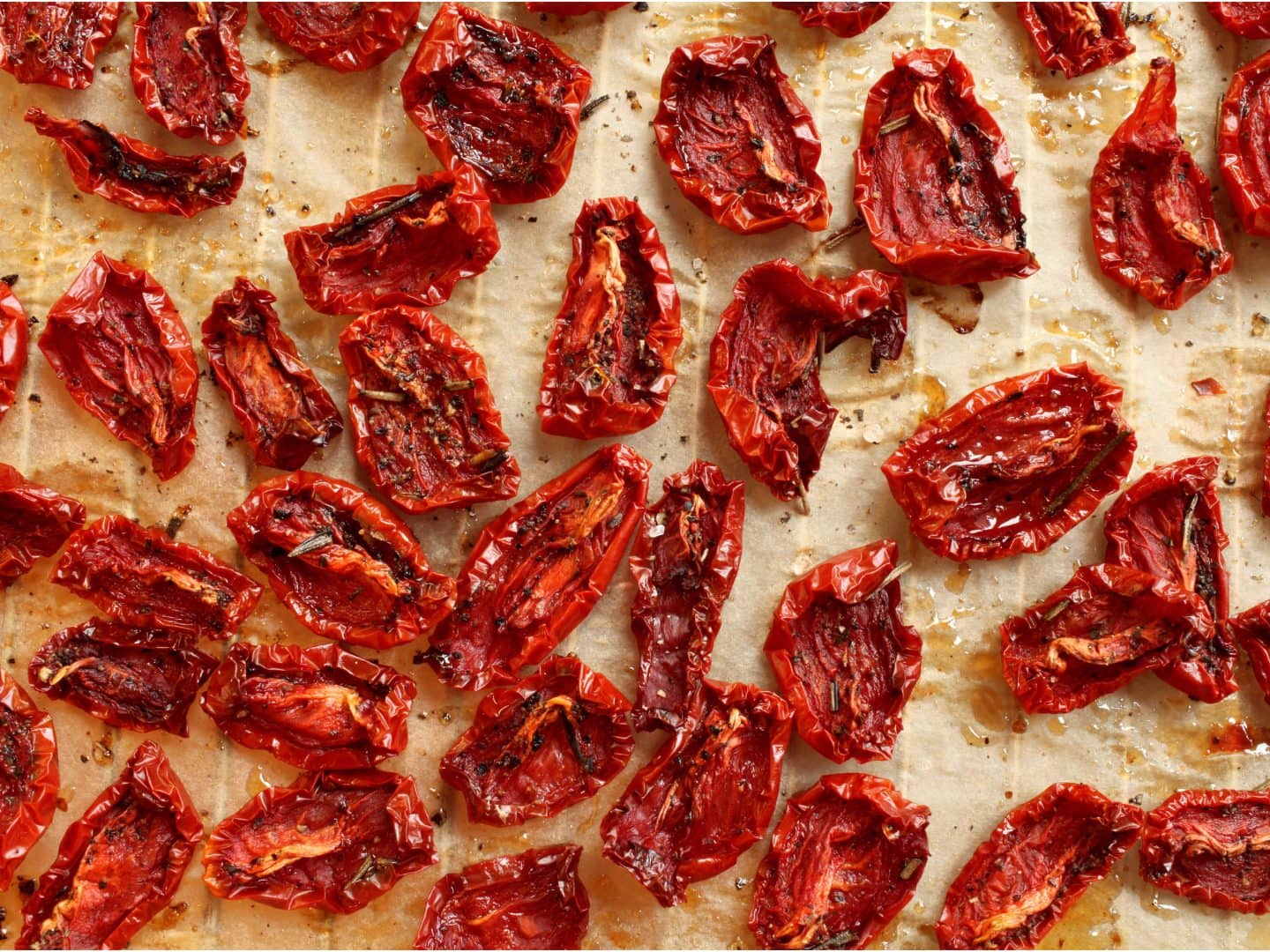
Transforming Your Harvest: How to Make "Sun-Dried" Tomatoes Indoors
As the vibrant peak of gardening season eventually wanes, many home gardeners find themselves awash in a bounty of ripe, succulent tomatoes. While canning salsas, sauces, and juices are time-honored traditions, there’s another incredibly rewarding way to preserve that intense summer flavor: by making "sun-dried" tomatoes. These concentrated flavor bombs are a fantastic way to enjoy the vibrant taste of your fresh-picked garden tomatoes, even in the middle of winter.
For those lucky enough to reside in hot, arid climates, true sun-drying on a rooftop or backyard patio is a viable option. However, for the majority of us who live in more humid, rainy, or colder regions, relying solely on the sun simply isn't practical. This is where modern kitchen appliances come to the rescue! By utilizing your oven or a food dehydrator, you can replicate the slow, gentle drying process indoors. This means that no matter where you live, you can learn how to make sun dried tomatoes in oven or dehydrator, crafting delicious dehydrated tomatoes that taste exactly like the sun-kissed variety. And the best part? It won't take several days; your ripe tomatoes can be transformed in less than a day, offering a practical and delightful preservation method when you've already filled your pantry with canned salsa, pasta sauce, and diced tomatoes.
Selecting and Preparing Your Tomatoes for Optimal Results
The journey to perfect homemade "sun-dried" tomatoes begins with selecting the right produce and preparing it thoughtfully. While almost any tomato can be dried, some varieties are inherently better suited due to their low moisture content and meaty flesh, which concentrates flavor wonderfully.
- Ideal Varieties:
- Cherry and Grape Tomatoes: These small, firm tomatoes are often the easiest to work with. They tend to produce early and often, making them an ideal candidate for dehydrating. Their small size means less prep work and a quicker drying time.
- Paste Tomatoes (e.g., Roma, San Marzano): Renowned for their thick walls and minimal seeds, paste tomatoes yield substantial, flavorful dried pieces. While larger, their low water content makes them excellent for dehydration.
- Campari Tomatoes: A hybrid known for its balanced sweetness and firmness, Campari tomatoes also dry beautifully.
- Preparation Steps: Consistent preparation ensures even drying and a superior end product.
- Wash and Dry: Thoroughly rinse your tomatoes under cool water and pat them completely dry with a clean cloth.
- Slice Evenly:
- For cherry and grape tomatoes, simply slice them in half lengthwise.
- For paste tomatoes or any tomato larger than 2 inches, cut them into uniform quarters or eighths. Consistency in thickness is key for even drying.
- Remove Seeds and Core: This step is crucial for reducing drying time and preventing bitterness.
- For small tomatoes like cherries, a gentle squeeze after halving is often enough to expel most of the seeds.
- For larger slices, use a small spoon or your fingers to scoop out the seedy pulp and remove the core. Don't worry about getting every single seed; just aim for the majority.
- Optional Seasoning: For an extra layer of flavor, you can lightly sprinkle the cut tomatoes with a pinch of sea salt, black pepper, or even a mix of dried Italian herbs (like oregano or basil) before drying. The salt will also help draw out some additional moisture.
Once your tomatoes are prepped, you're ready to choose your indoor drying method: the oven or the dehydrator.
The Oven Method: Slow and Steady for Rich Flavor
Utilizing your oven is a common and accessible method for dehydrating tomatoes, turning them into homemade "sun-dried" treasures. The secret lies in a low temperature over a long period, allowing the moisture to evaporate slowly without cooking the fruit.
Step-by-Step Oven Dehydration
- Preheat Your Oven: Set your oven to its lowest temperature, typically between 200-225°F (93-107°C). The goal is gentle heat, not rapid cooking. If your oven has a "warm" or "proof" setting that holds temperatures below 200°F, even better.
- Prepare Baking Sheets: Line large baking sheets with parchment paper or silicone baking mats. This prevents sticking and makes cleanup a breeze.
- Arrange Tomatoes: Place your prepared tomato halves or sections, cut-side up, in a single layer on the lined baking sheets. Ensure there is adequate space between each piece for proper air circulation. Overcrowding will extend drying time and can lead to uneven results.
- Slow Bake: Place the baking sheets in the preheated oven. The drying process will typically take anywhere from 4 to 7 hours, but this can vary significantly based on your oven's exact temperature, the thickness and moisture content of your tomatoes, and even the humidity in your kitchen.
- Monitor and Rotate: Begin checking your tomatoes around the 3-4 hour mark. You want them to be shriveled, leathery, and dry to the touch, but still pliable. They should not feel sticky or squishy, nor should they be brittle or crispy unless that's your preference. Remove any smaller pieces that dry faster to prevent over-drying. For more even dehydration, especially if your oven has hot spots, rotate the baking sheets periodically.
- Vent Moisture (Optional): For the last hour or two, you can slightly prop the oven door ajar with a wooden spoon. This helps vent moisture, speeding up the final drying stage, but be mindful of energy consumption and ensure it's safe to do so with your appliance.
This hands-on method, while requiring periodic checks, yields beautifully concentrated tomatoes. For more detailed insights into perfecting this technique, you might find valuable tips in No Sun? Get Sun-Dried Tomato Flavor in Your Oven or Dehydrator.
The Dehydrator Method: Precision, Efficiency, and Consistency
For those who regularly preserve food, a dedicated food dehydrator offers a highly efficient and controlled environment for making "sun-dried" tomatoes. Dehydrators circulate warm, dry air uniformly, leading to consistent results with less active monitoring.
Step-by-Step Dehydrator Drying
- Prepare Tomatoes: As outlined earlier, thoroughly wash, slice, and de-seed your tomatoes.
- Arrange on Trays: Place the prepared tomato halves or pieces cut-side up on your dehydrator trays. Arrange them in a single layer, ensuring there’s enough space between each piece for optimal airflow. Avoid overlapping or overcrowding the trays.
- Set Temperature: Most dehydrators have specific temperature settings for fruits and vegetables. For tomatoes, a temperature between 125-135°F (52-57°C) is generally recommended. Always consult your dehydrator's manual for precise guidelines.
- Dehydrate: The drying time in a dehydrator can range from 6 to 12 hours, and sometimes even longer, depending on the thickness of your tomato pieces, the specific model of your dehydrator, and the ambient humidity.
- Check for Doneness: Begin checking the tomatoes after 5-6 hours, and then periodically thereafter. They should feel leathery and pliable, not sticky or moist. To test, bend a piece; if it cracks or you feel any moisture in the center, it needs more time. Continue drying until all pieces reach the desired consistency.
- Rotate Trays (Optional): While dehydrators are designed for even drying, rotating your trays every few hours (especially with stacked models) can further ensure uniform results across all pieces.
The dehydrator method is fantastic for large batches and offers a more hands-off approach to preservation. For a broader perspective on preserving your garden's bounty using this technique, consider exploring Preserve Garden Tomatoes: Easy Oven & Dehydrator Drying Method.
Proper Storage for Your Homemade "Sun-Dried" Tomatoes
Once your tomatoes are perfectly dehydrated and completely cool, proper storage is paramount to maintain their quality and prevent spoilage. Do not store warm tomatoes, as condensation can lead to mold.
- Airtight Containers: For short-term storage (up to a few weeks), simply place the cooled dried tomatoes in an airtight container at room temperature, away from direct sunlight.
- Refrigeration: For longer storage (several months), keep them in an airtight container in the refrigerator.
- In Oil (with Caution): A very popular method is to pack dried tomatoes in olive oil. Place the tomatoes in sterilized jars and cover them completely with high-quality olive oil. You can add flavorings like garlic cloves, rosemary sprigs, or chili flakes. Important Safety Note: When storing oil-packed tomatoes at room temperature, there is a risk of botulism if they are not properly acidified. To be safe, either acidify your tomatoes first (e.g., by blanching in a vinegar solution for a few minutes) *before* packing in oil, or always store oil-packed tomatoes in the refrigerator and consume them within 2-3 weeks. For maximum safety and extended shelf life, freezing is often preferred over room-temperature oil packing unless specific, tested acidification methods are used.
- Freezing: For the longest preservation (up to a year or more), spread cooled dehydrated tomatoes in a single layer on a baking sheet and freeze until solid. Then transfer them to freezer-safe bags or containers, removing as much air as possible.
Unlocking the Flavor: Creative Uses for Your Indoor Dried Tomatoes
Your homemade "sun-dried" tomatoes are a culinary powerhouse, ready to infuse a concentrated, sweet-savory punch into countless dishes. Here are just a few ideas to get you started:
- Pasta Dishes: Chop and toss into fresh pasta, blend into pesto, or rehydrate and add to sauces.
- Salads: A fantastic addition to green salads, grain bowls, or pasta salads for a burst of intense flavor.
- Sandwiches & Wraps: Elevate your lunch with a few pieces of chewy, flavorful dried tomato.
- Pizzas & Flatbreads: Sprinkle chopped pieces over your homemade pizzas before baking.
- Dips & Spreads: Blend into hummus, cream cheese, or a vibrant tapenade.
- Savory Baked Goods: Fold into bread dough, focaccia, muffins, or scones.
- Eggs: Chop and add to scrambled eggs, omelets, or frittatas for a gourmet breakfast.
- Soups & Stews: Drop a few pieces into simmering broths to deepen the umami flavor.
To rehydrate your dried tomatoes for specific recipes, simply soak them in warm water, vegetable broth, or the oil they were stored in for 15-30 minutes until plump and tender. Often, they will rehydrate directly within a simmering sauce or stew.
Conclusion: Your Indoor Garden's Gift to Winter
Embracing the indoor drying methods – whether in your trusty oven or a dedicated dehydrator – empowers you to capture the peak essence of your tomato harvest, regardless of your climate. Learning how to make sun dried tomatoes in oven or dehydrator is not just about preservation; it's about extending the joy of homegrown produce, enhancing your culinary repertoire, and enjoying intensely flavored, healthy ingredients throughout the year. So, don't let a bountiful harvest or a cloudy forecast deter you. Dive into the rewarding process of making your own delicious "sun-dried" tomatoes, and bring the taste of summer sunshine to your table, even in the depths of winter.
